
Precautions Taken for Frozen Shoulder
⚡ Frozen Shoulder – Important Precautions to Follow
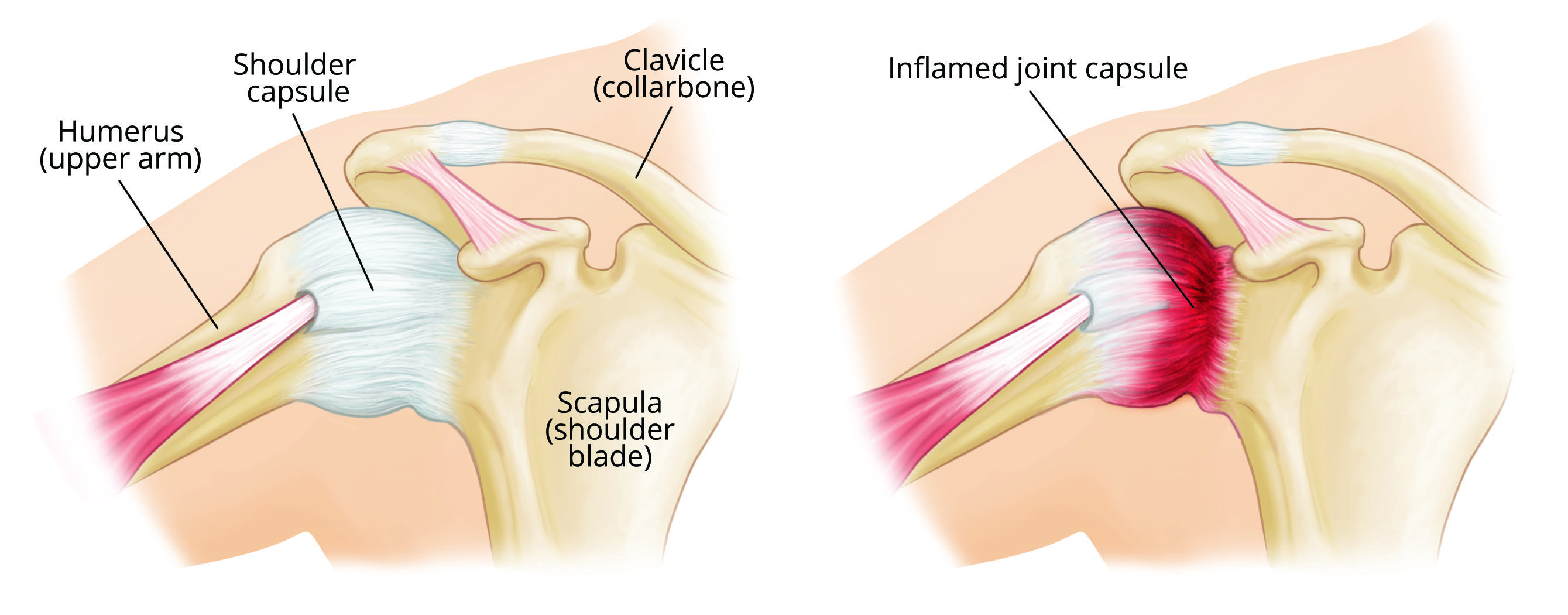
Frozen shoulder (also called adhesive capsulitis) is a condition in which the shoulder becomes stiff and painful due to inflammation and tightening of the joint capsule. It usually develops slowly and may take months to recover. Following the right precautions can reduce pain and speed recovery.
✅ 1. Do Not Keep the Shoulder Immobile
-
Many people stop moving the shoulder due to pain, which worsens stiffness.
-
Gentle and regular movement is important to prevent further freezing.
✅ 2. Perform Regular Physiotherapy
-
Follow stretching and mobility exercises advised by a physiotherapist.
-
Daily exercises help restore movement and flexibility.
-
Avoid sudden or forceful exercises.
✅ 3. Avoid Heavy Lifting
-
Do not lift heavy weights or carry heavy bags on the affected shoulder.
-
Avoid pushing or pulling heavy objects.
✅ 4. Maintain Correct Posture
-
Sit and stand straight to reduce shoulder strain.
-
Avoid slouching and rounded shoulders.
✅ 5. Use Heat Therapy
-
Warm compress or hot water bath helps relax muscles and reduce stiffness.
-
Heat before exercises can improve movement.
✅ 6. Sleep Carefully
-
Avoid sleeping on the painful shoulder.
-
Use a pillow to support the arm and keep it comfortable.
✅ 7. Control Medical Conditions
Frozen shoulder is more common in people with conditions like:
-
Diabetes
-
Thyroid disorders
Regular check-ups and control of these conditions are important.
✅ 8. Avoid Sudden Movements
-
Do not make jerky or fast shoulder movements.
-
Move slowly and within a comfortable range.
🚨 When to Consult a Doctor
Seek medical advice if:
-
Severe pain disturbs sleep.
-
Shoulder movement becomes very restricted.
-
Pain lasts for several months.
An orthopedic specialist may recommend medicines, injections, or physiotherapy.
