
10 Warning Signs Frozen Shoulder Is Becoming Serious
10 Warning Signs Frozen Shoulder Is Becoming Serious
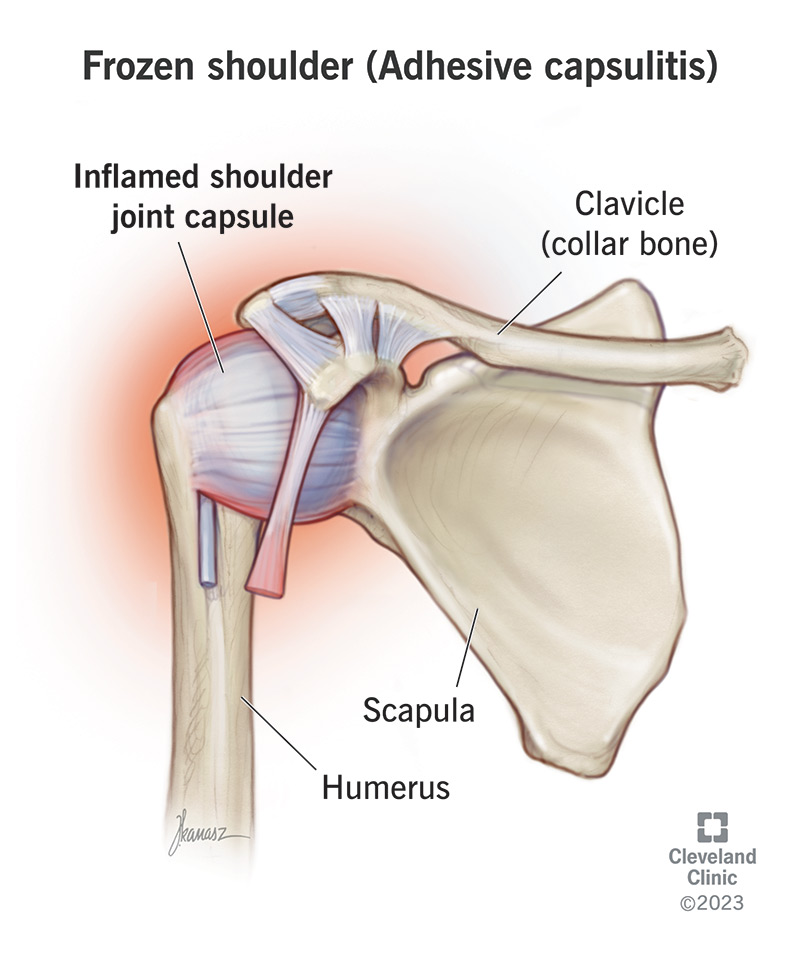
Frozen shoulder (adhesive capsulitis) usually develops gradually, but in some cases the condition becomes more severe and starts affecting daily life. Recognizing the warning signs early can help you seek treatment before the stiffness becomes permanent.
1️⃣ Severe Shoulder Pain at Night
Pain becomes worse during the night, making it difficult to sleep or lie on the affected shoulder.
⚠ Night pain often indicates increasing inflammation in the joint capsule.
2️⃣ Difficulty Lifting the Arm
If you cannot raise your arm above shoulder level, the condition may be entering the frozen stage.
3️⃣ Rapidly Increasing Stiffness
When shoulder stiffness keeps increasing week by week, it shows the joint capsule is tightening and restricting movement.
4️⃣ Pain Spreading to the Neck or Arm
Pain may begin to radiate toward the neck, upper arm, or elbow, indicating increased irritation in surrounding muscles.
5️⃣ Inability to Perform Daily Activities
Simple tasks become difficult, such as:
-
Wearing clothes
-
Combing hair
-
Reaching overhead
-
Fastening a seat belt
6️⃣ Sharp Pain with Small Movements
Even small movements like turning the arm or reaching sideways cause sharp or stabbing pain.
7️⃣ Shoulder Feels Extremely Tight
The shoulder may feel locked or stuck, with very limited movement in any direction.
8️⃣ Pain Lasting More Than 3–4 Months
Frozen shoulder normally progresses slowly, but persistent pain for several months without improvement may indicate worsening stiffness.
9️⃣ Shoulder Weakness
Muscles around the shoulder start losing strength because the joint is not moving properly.
🔟 Shoulder Movement Restricted Even with Assistance
If someone tries to move your arm and it still cannot move much, the joint capsule may be severely stiff.
✅ Important: Frozen shoulder usually progresses through three stages:
-
Freezing stage – Increasing pain and stiffness
-
Frozen stage – Severe stiffness, less pain
-
Thawing stage – Gradual improvement
Early treatment, physiotherapy, and proper exercises can shorten recovery time significantly.
